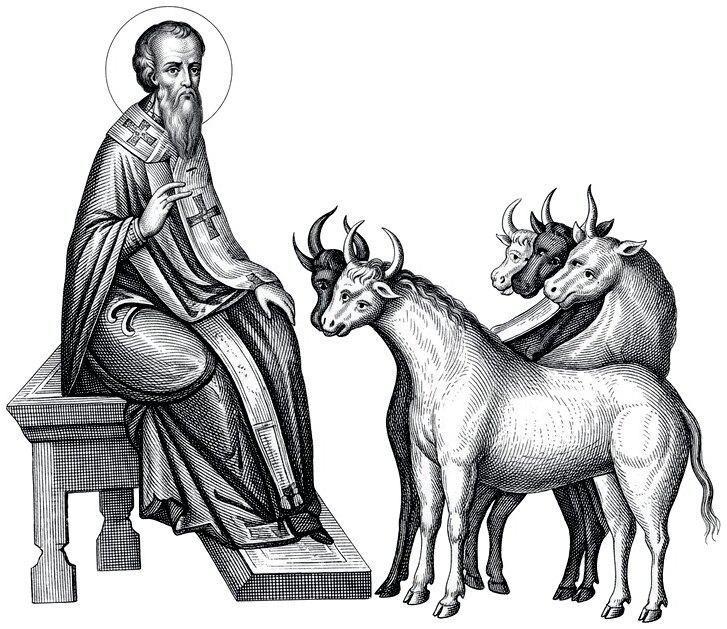
On 29 February, the extra day added once every four years, Russian villagers tried to sleep until midday. The leap day belonged to Saint Kasyan, as Russians called Saint Cassian. People believed that whatever Kasyan looked at would wither: cattle died, forests dried up, and people met with ruin. It was safest to stay inside, especially before sunrise. The saint they feared was a real monk of the fifth century. Legends in Russia, Greece, and the Baltic lands all ask the same question: why does he get a feast day only once every four years?
The monk on the extra day
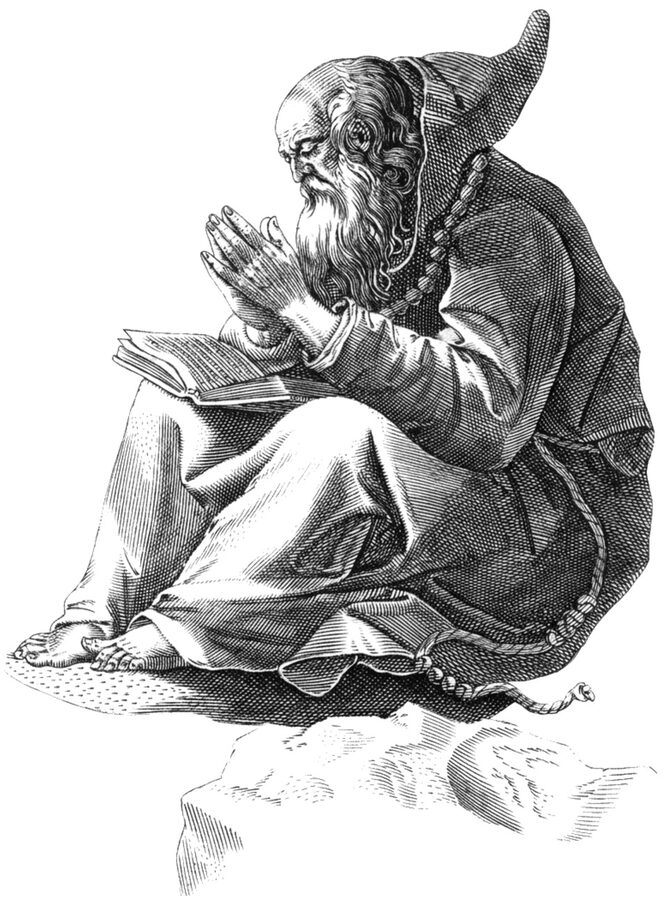
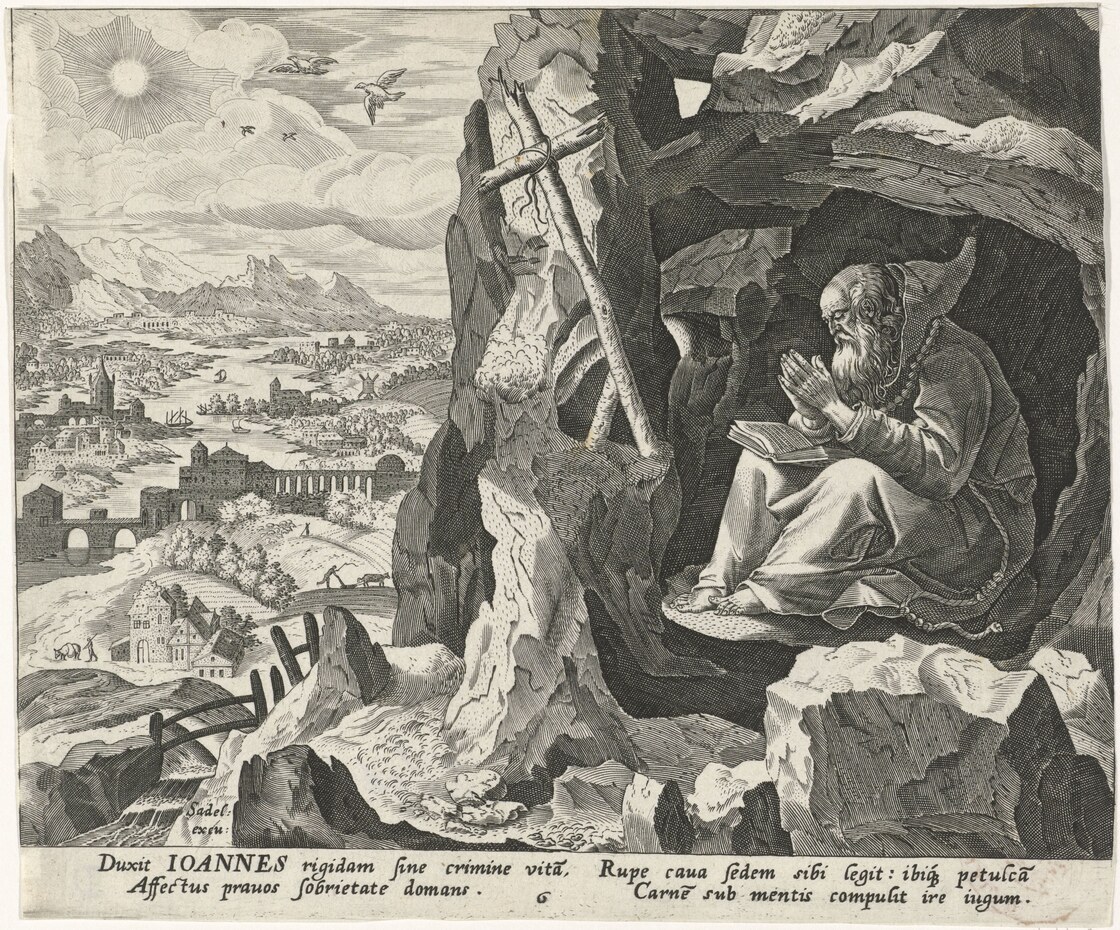
The Orthodox calendar remembers John Cassian on 29 February. He lived from about 360 to 435. As a young man he joined a monastery in Bethlehem and then lived among desert hermits in Egypt. Around 415 he moved to Marseille in southern France and founded two monasteries. His books, the Institutes and the Conferences, brought Egyptian monastic rules to western Europe. He is not Cassian of Imola, an Italian teacher killed by his pupils and remembered on 13 August.
No pope ever canonised Cassian in a formal papal trial, but Pope Gregory the Great regarded him as a saint by the late sixth century. The local church in Marseille keeps his feast on 23 July. The Orthodox Church places him on 29 February. In regular years without a leap day, his commemoration moves to 28 February. Nobody knows when or why the feast was first set on the leap day. The folklorist Oskar Loorits studied the tradition in 1954 and found no record of who assigned the date.
The Greek answer: a complaint before God
In Greek village traditions, saints often received human traits. They could be jealous and vengeful. They punished anyone who ignored their feast day by destroying wine casks, sending hail, or drowning livestock. Some even took names from the disasters they caused: Saint Christopher was called the Hail-Bringer and Saint Blaise the Calf-Strangler. The ethnographer Manolis Varvounis noted that villagers considered Cassian perhaps the most vengeful of all.
In the Greek legend, Cassian was celebrated every year like any other saint. Then he complained to God that other saints received greater honours. God replied that people knew why they honoured each figure. Cassian did not help people the way Saint Nicholas did, who watched over sailors and fishermen day and night. As a punishment, God decreed that Cassian would receive a feast only every fourth year. A Greek proverb added that only lazy workers celebrate his day.
Loorits recorded another version where Nicholas is found in the middle of a rescue. Jealous of Nicholas, Cassian complained to God, who summoned all the saints to judge. Nicholas failed to appear. The saints found him on earth saving a drowning sailor, and he returned to heaven soaking wet. After hearing Nicholas, God granted him two feasts a year and reduced Cassian to one every four years.
The Russian answer: a cart in the mud
Across the Baltic and Slavic lands, the setting shifted from the sea to a muddy road. Folklorist Aleksandr Afanasyev published a version collected near Orel in 1859. A peasant’s cart was stuck deep in autumn mud. Saint Kasyan walked past. The peasant did not recognise him and begged for help. Kasyan refused, asking if he had time to wallow in the dirt, and walked on. Soon Saint Nicholas came down the road. When the peasant called out, Nicholas stopped and helped.
When both saints arrived in heaven, God questioned them. Kasyan explained that he had avoided dirtying his fine clothes. Nicholas stood by covered in mud after pulling the cart free. God ruled that because Kasyan refused to help, prayers in his honour would occur only after a three-year wait, once every four years. Nicholas earned two feasts a year. In the Russian Church calendar, Nicholas indeed has two annual days: 6 December, and 9 May, commemorating the transfer of his relics to Bari in 1087.
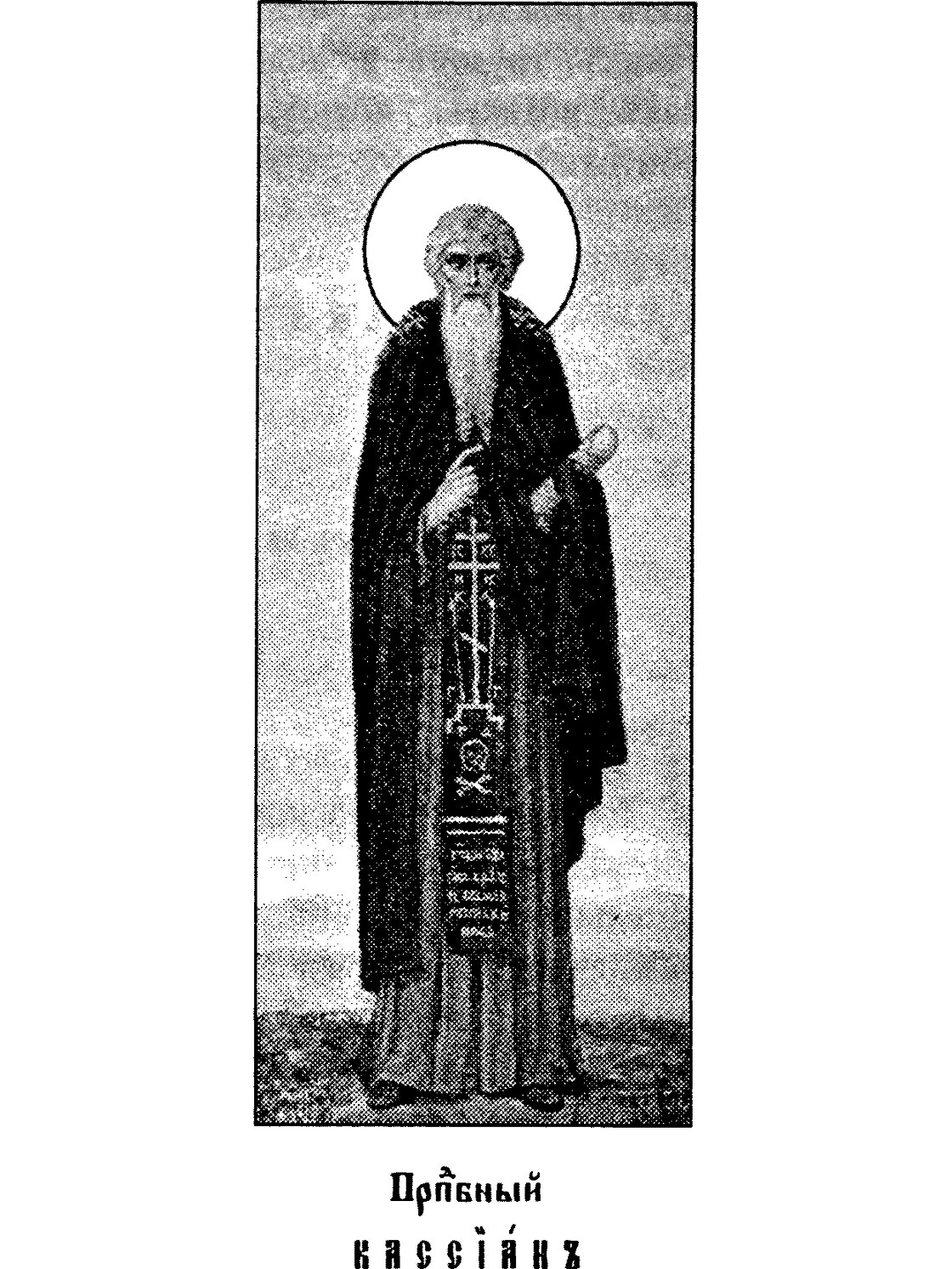
Maksimov heard the same story in Ryazan province and called it the most widely known legend about Kasyan in Russia, though he also found villages where people gave other reasons. Near Novgorod, peasants said that Kasyan had been drunk on his own feast day three years running and was sober only in the fourth, which is why he was given a feast day only once in four years.
In northern Vologda province, the legend took a darker turn. Kasyan had once been an angel close to God. When God planned to cast out the devil, Kasyan betrayed the plan by whispering a warning. Later, Kasyan repented. God showed mercy but kept him chained under guard. An angel struck his forehead with a heavy hammer for three years, releasing him only on the fourth.
The glance that withers
Russian villagers treated Kasyan as an outcast among saints. They called him “the Unmerciful” because of tales like the stuck cart. In some settlements, calling someone Kasyan was an insult. The nineteenth-century lexicographer Vladimir Dal recorded folk epithets for 29 February under the entry for leap year: envious, vindictive, unmerciful, and stingy. Proverbs warned: “Kasyan looks at cattle, cattle drop dead; at a tree, the tree dries up.” Another noted: “A leap year is heavy on people and cattle.”
Maksimov recorded how the fear entered everyday speech. A gloomy, unsociable person was said to “look like Kasyan”. Russian villagers, like many peoples, believed in the evil eye, a look that can bring illness or ruin on whatever it falls on. Of a person thought to have it, they warned: “Cross-eyed Kasyan! Hide everything from him, brothers, as you would from Kasyan: he puts the eye on things so fast that no priest can pray it off and no old woman can whisper it away.” The saying names the two usual cures, a priest’s prayers and an old woman’s whispered charm, and warns that neither helps against such a look.
Vologda peasants also believed Kasyan controlled all winds, bound by twelve chains behind twelve locks. If he released a wind, pestilence struck cattle and crops. Because villagers considered him so dangerous, folklore treated the entire leap year as unlucky and his feast day as the most hazardous day of all.
Loorits found the same beliefs further east. In Siberia the leap year was sometimes called “Cassian’s year”, his glance was said to kill cattle and crops, and parents avoided giving the name to their children. Some said the saint stands guard over the devil in hell and is free only on his own feast day, much like the chained angel of the Vologda story.
How a monk became a feared saint
The fear likely began with the calendar itself. Slavic communities already viewed leap years with suspicion. Once the church placed Cassian on 29 February, popular belief linked him to the year’s bad luck. Loorits also noted theological disputes around the historical Cassian. In the fifth century, Cassian argued that humans could take the first step toward God through free will, opposing Augustine’s strict doctrine of divine grace. The Council of Orange condemned Cassian’s view in 529. However, no evidence suggests Russian peasants knew anything about these ancient monastic debates.
In Vyatka province, Maksimov was told, God himself had ordered that churches hang their icon of Saint Kasyan, the painted image of the saint used for prayer, on the back wall, over the entrance door.