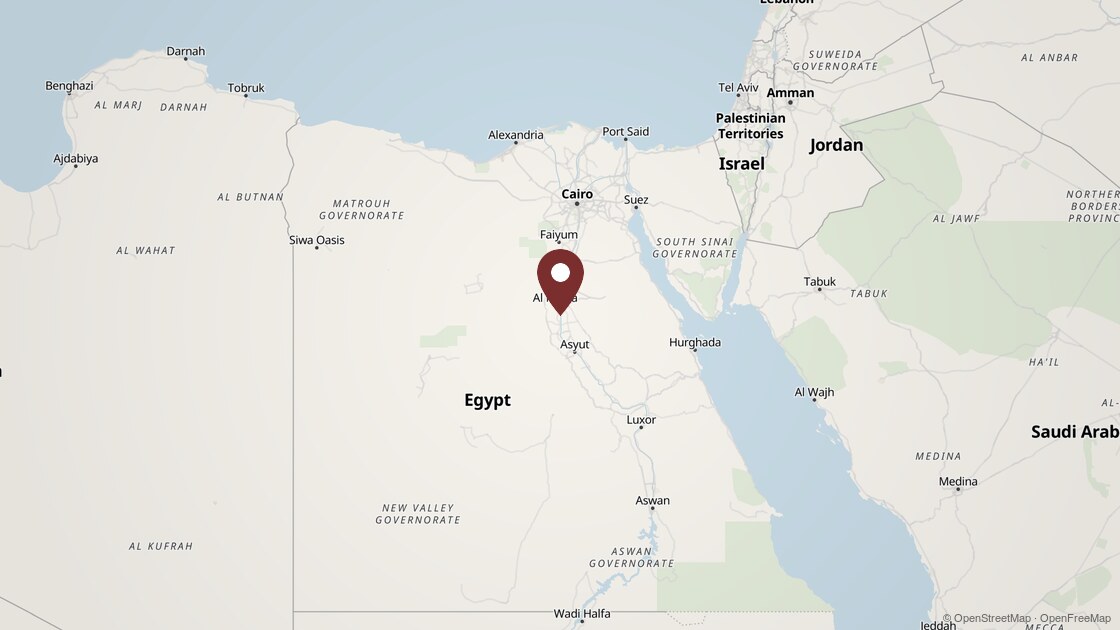
Researchers report that ancient Egyptian cats destined for mummification often lived in poor health. Writing in the Journal of Archaeological Science, Dr. Wim Van Neer of the Royal Belgian Institute of Natural Sciences and colleagues examined 131 well-preserved cat skulls held at the Natural History Museum in Vienna, Austria. The remains came from Beni Hassan, an ancient animal funerary site in Egypt’s Nile Valley, and date between 380 B.C.E. and 40 B.C.E. Of the 131 skulls, 81, or 62%, showed pathologies, including gum disease, infections, metabolic diseases, healed wounds, and fatal skull fractures.
For readers interested in ancient religion, the findings shed light on the practical side of animal offerings. The researchers conclude that such a high rate of injury and disease points to poor, crowded living conditions, and that the cats were likely raised in a mass-breeding environment for the purpose of mummification and sacrifice. The evidence suggests an organised supply of animals for ritual use. The study rests on skulls from a single site, so it describes the condition of these particular cats rather than every cat mummy from Egypt.
The original report: nytimes.com ☞