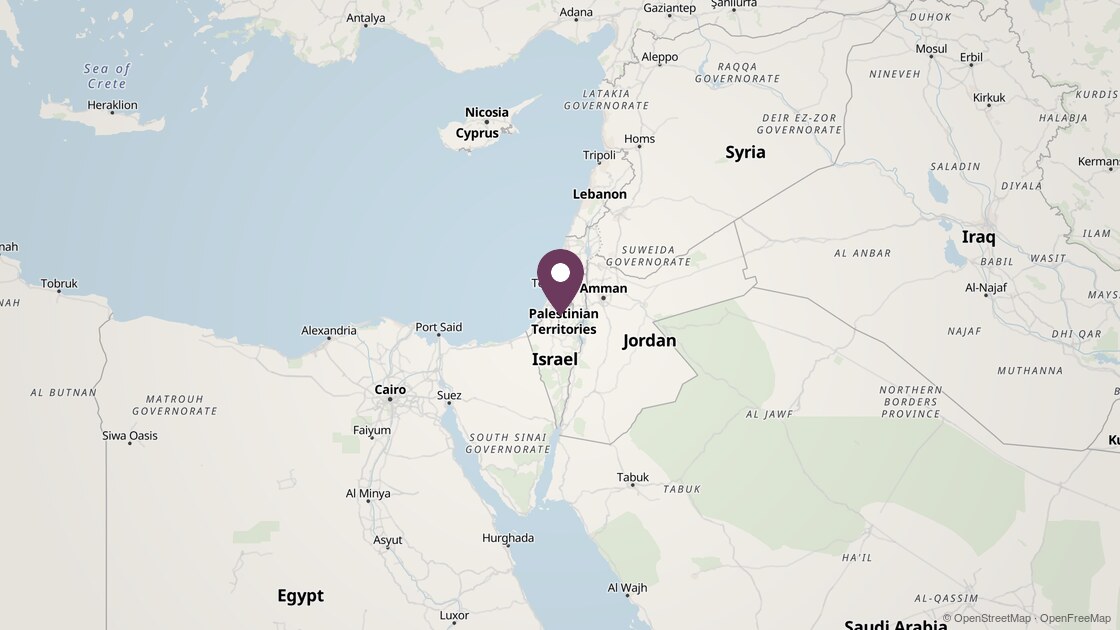
Horbat Burgin, a large ancient settlement in the Judean Foothills, opened to visitors this past weekend inside a regional park, according to Archaeology Magazine. Earlier excavations traced occupation from the Second Temple period through the Ottoman period. Researchers report that a large village stood here in Second Temple times, and some have proposed identifying it with Caphar Bish, a place mentioned by Flavius Josephus. In the Early Roman period, inhabitants hewed extensive networks of hiding tunnels into the bedrock as they prepared for conflict with Rome. The Bar Kokhba Revolt later damaged and destroyed the settlement.
What makes the site notable for students of religion is the succession of communities on one hill. After the revolt, a pagan population settled among the ruins, built new houses above ground and cut elaborate burial complexes into the rock beneath them. Later still, Byzantine builders raised a church with colorful mosaic floors, with a monastic complex beside it. Jewish rebels, pagan settlers and Christian monks each left their mark on the same ground, offering a layered record of how belief and burial changed over centuries.
The original report: archaeologymag.com ☞