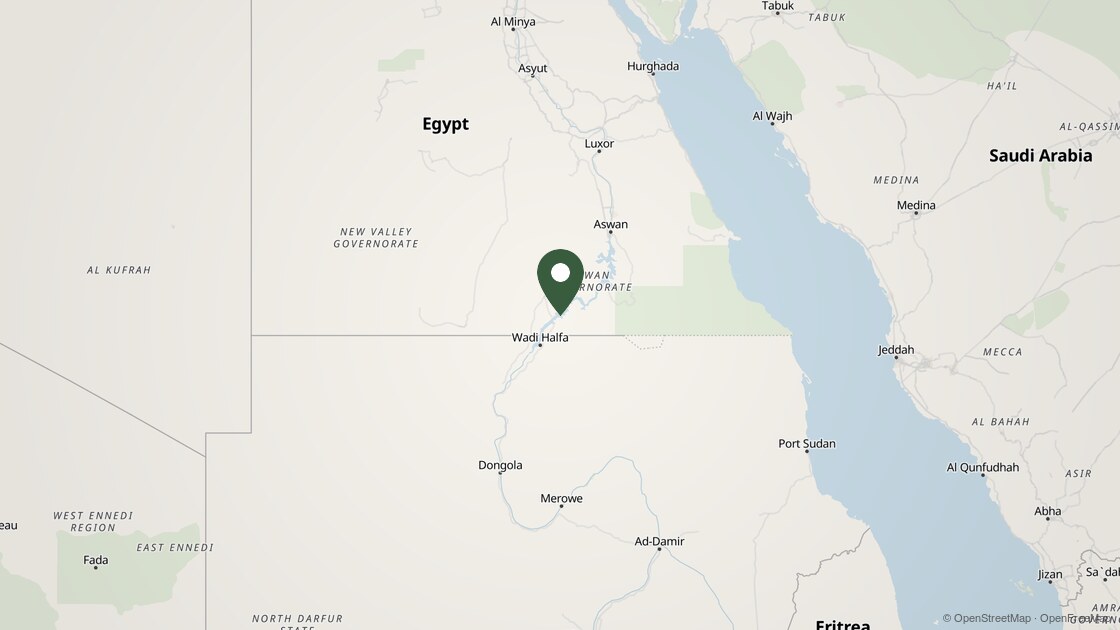
Researchers at Yale report that chemical analysis of an amphora from a tomb at Arminna in Nubia detected biomarkers of wine and opium, along with signals of possibly dozens of other plants. The Yale release cites belladonna and henbane, toxic members of the Solanaceae family. The vessel is about 2,000 years old and has long been held in the collections of Yale’s Peabody Museum. Arminna, a settlement of two communities on opposite banks of the Nile, now lies beneath Lake Nasser. Andrew Koh, director of the Yale Ancient Pharmacology Program, noticed the amphora, which had residue visible at its bottom.
The vessel is of an unusual size, larger than perfume or opium flasks but smaller than wine transport amphorae, and has a circular hole in its neck. Koh says the hole could reflect a ‘ritual death’ of the object or an unknown practical function, and does not choose between them. He suggests wine likely dissolved the other ingredients and that the mixture was ‘very likely’ a potion with a deeper cultural purpose. La Brújula Verde compares it to the nepenthe of the Odyssey, but no specific recipe has been identified, and Koh says more interdisciplinary study is needed.
The original report: labrujulaverde.com ☞