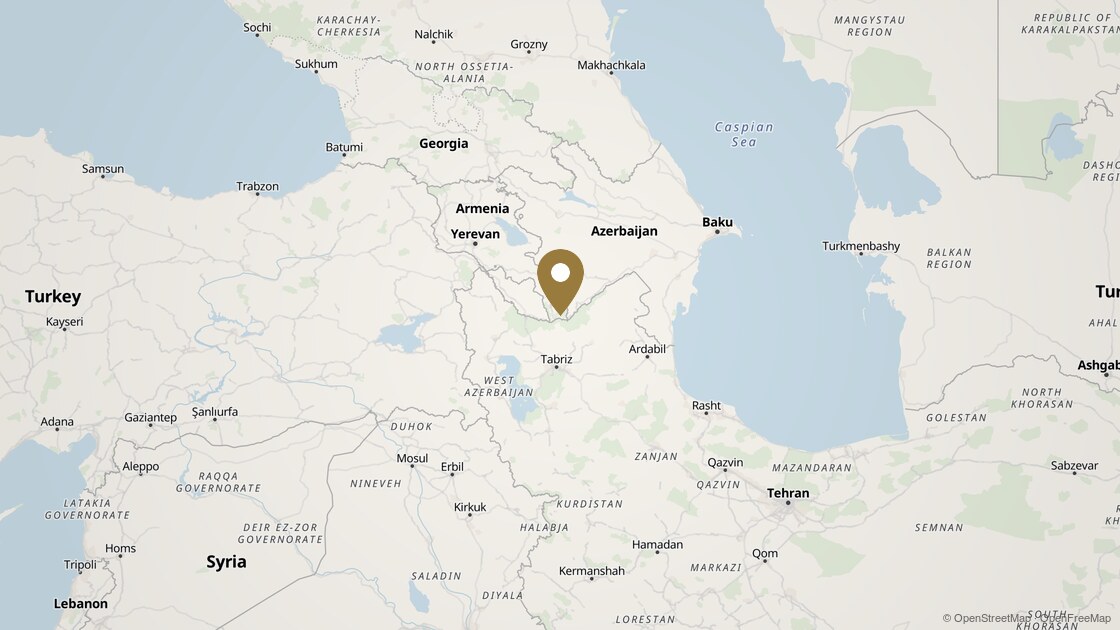
Researchers from the Institute of Archaeology and Ethnography of the National Academy of Sciences of Armenia report the discovery of a copper sceptre head at the site of the ancient city of Old Kapan, in Syunik Province in southern Armenia. The excavation, led by archaeologist Gagik Sargsyan, has been carried out systematically since 2024, and the latest phase of work began in mid-October 2026. On November 10, 2026, the team also recovered two metal coins, a fragment of medieval glass, several iron nails and rivets, and pottery fragments.
The researchers conclude that the sceptre head served as a symbol of governing authority, political power, and legitimacy. For readers interested in the history of ritual and belief, the find is a reminder that power was often made visible through objects. A sceptre is more than a tool: it is a sign carried in the hand that tells onlookers who holds the right to rule. The researchers have not, in the reported findings, tied the object to a specific ruler or ceremony, so its exact use remains open.
The original report: heritagedaily.com ☞