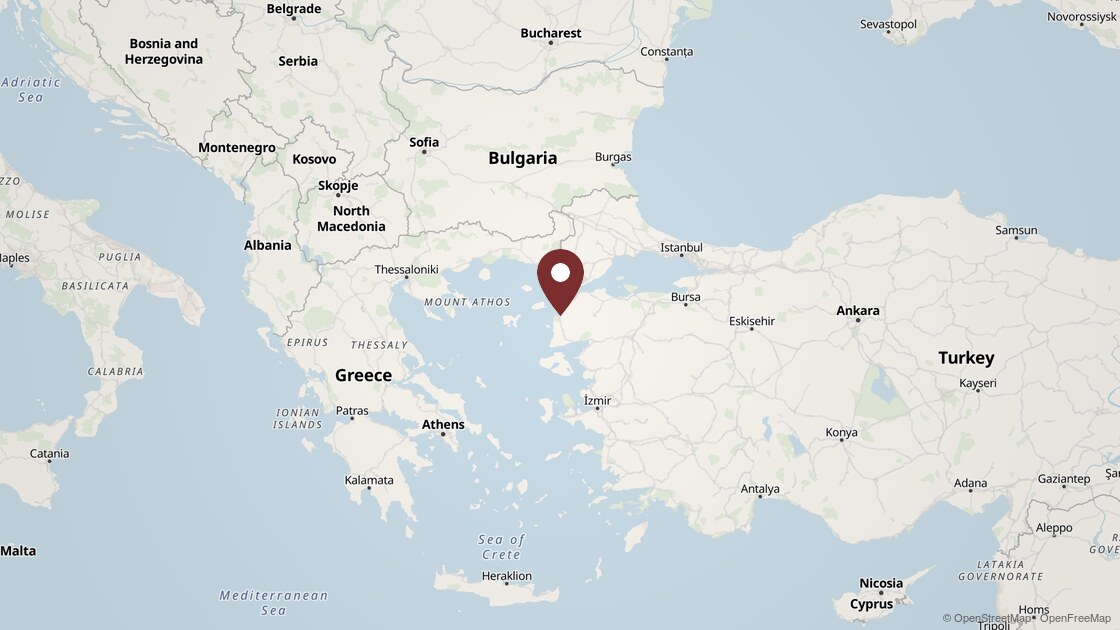
Researchers report that Işıldaktepe Altı, a site on the Dardanelles coast in north-western Turkey about 10 kilometres from Troy and near the ancient settlement of Rhoiteion, is not what it first seemed. Archaeologists Fecri Polat and Rüstem Aslan identified it in 2011 and initially read it as a Copper Age or earlier settlement. Rescue excavations by the Çanakkale Museum Directorate from October 2 to October 25, 2024 revealed rows of stones set with mud under a layer of greenish clay about 20 to 25 centimetres thick, along with pottery from different periods, spindle whorls, bone objects, a bone awl, grinding stones, an animal-shaped pottery handle and fragments of large storage vessels.
From this evidence, the researchers conclude that the site is a deliberately constructed tumulus rather than a natural hill holding a settlement. They hypothesize that its location and construction match ancient descriptions of the Tomb of Ajax, the legendary warrior of the Trojan War tradition. For readers interested in how myth attaches itself to landscape, the case is a telling one. Still, no inscriptions or human remains identifying any individual have been found, and the central part of the mound has yet to be fully excavated.
The original report: heritagedaily.com ☞