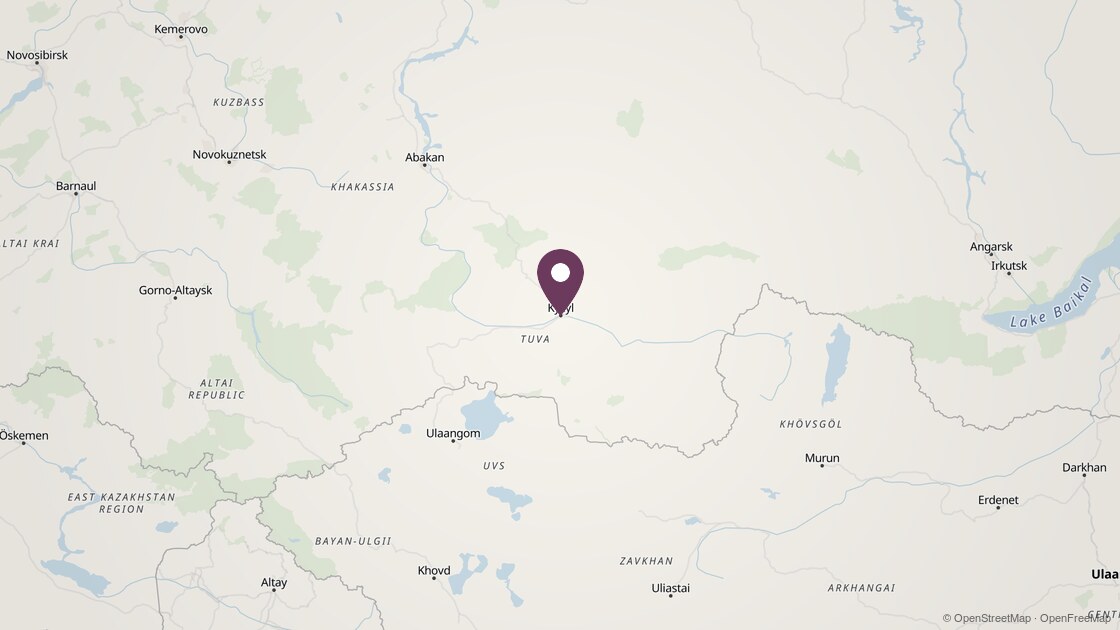
Archaeologists from the Institute for History of Material Culture of the Russian Academy of Sciences report the discovery of several ritual complexes in the Republic of Tuva that had not previously been documented. According to the researchers, the complexes date from the 6th to 8th centuries. HeritageDaily, which reported the finding, describes them as Turkic ritual complexes.
For readers interested in the history of religion and folk belief, the significance lies mainly in the new evidence itself. Ritual sites are among the few direct material traces of how people in the past organised their religious practice, and every newly recorded complex adds to the body of material available for study. In the information reported so far, the researchers do not describe which rites took place at these sites, who used them, or what beliefs they expressed. Those questions remain open. What the report establishes is narrower: several ritual complexes, newly documented, in Tuva, dated to between the 6th and 8th centuries. Further publication by the team would be needed before firmer conclusions can be drawn about their purpose.
The original report: heritagedaily.com ☞