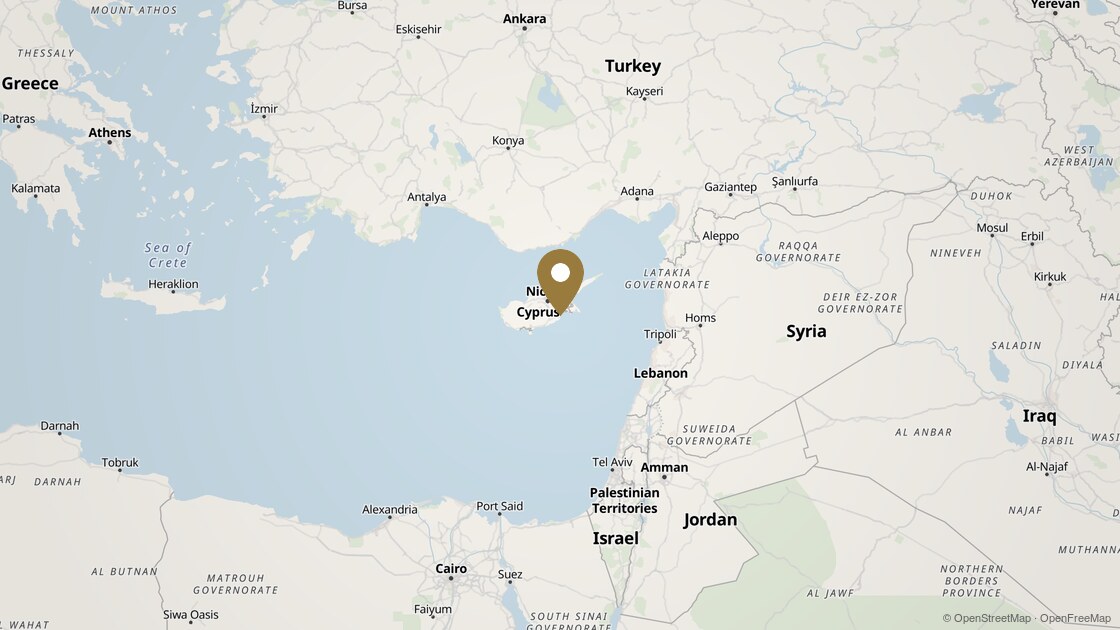
A new study, reported by Politis, examines the Kition Tariff, a Phoenician inscription discovered in Kition, present-day Larnaca, and dated to the fifth or fourth century BC. One section of the text refers to young girls and the number 22 in connection with a sacrifice, although researchers say the exact number of participants remains uncertain. Earlier interpretations linked the girls to the cult of the goddess Astarte and suggested they may have been involved in sacred prostitution, because the inscription also mentions repairs to her temple.
Researcher Beatrice Pestarino disputes that theory. Pestarino argues the text is more likely a financial record managed by Kition’s royal administration than a document dealing only with temple activities. The inscription does not identify the girls as priestesses or ritual officials, while other participants in religious ceremonies are described by title. Pestarino suggests the girls may have taken part in a ceremonial rite or been the intended subjects of a symbolic sacrifice. Archaeological evidence from Cyprus indicates that young girls joined rituals tied to the transition to adulthood. Ancient Greek and Roman writers referred to human sacrifice on the island, but there is little archaeological evidence for such practices in this period.
The original report: en.politis.com.cy ☞