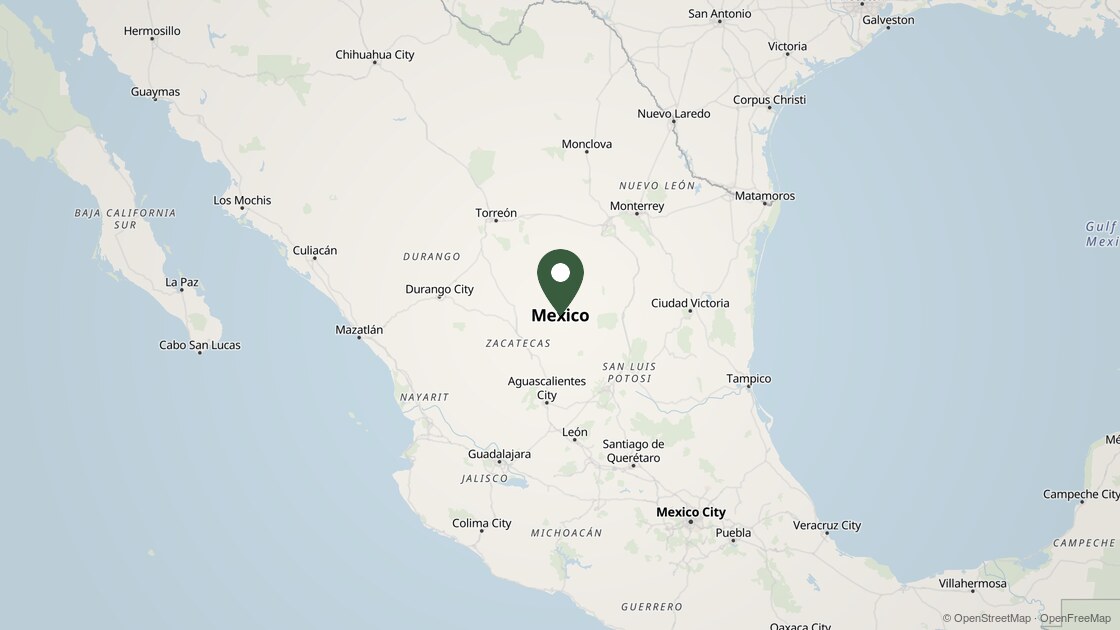
Scientific American reports that on November 10, AI researcher Pietro Miotti posted on X what appeared to be evidence of a previously unmapped ancient Maya civic center at an undisclosed location in Mexico. Miotti said he found it using AI while on vacation in Peru, and described in a blog post prompting dozens of AI agents to sift through publicly available NASA lidar data across the former Maya Empire. The post went viral, boosted by major accounts including Polymarket. Mexico’s National Institute of Anthropology and History (INAH) replied that the location was not registered by the agency, which the outlet calls a clue but not confirmation of a legitimate discovery.
Less than a day later, Sarah Parcak of the University of Alabama at Birmingham noted that the site had been documented before, in a 2025 paper in the Journal of Archaeological Science: Reports by Francisco Estrada-Belli of Tulane University and colleagues. Co-author Marcello Canuto said the work built on lidar data analyzed as early as 2016 and that the site is among ‘dozens and dozens’ of similar sites. Co-author Ivan Šprajc, who helped visit the site in May, describes it as a ‘peripheral group’ of a larger center. For readers drawn to the sacred landscapes of the ancient Maya, the episode shows why claimed revelations need checking against the scholarly record.
The original report: scientificamerican.com ☞