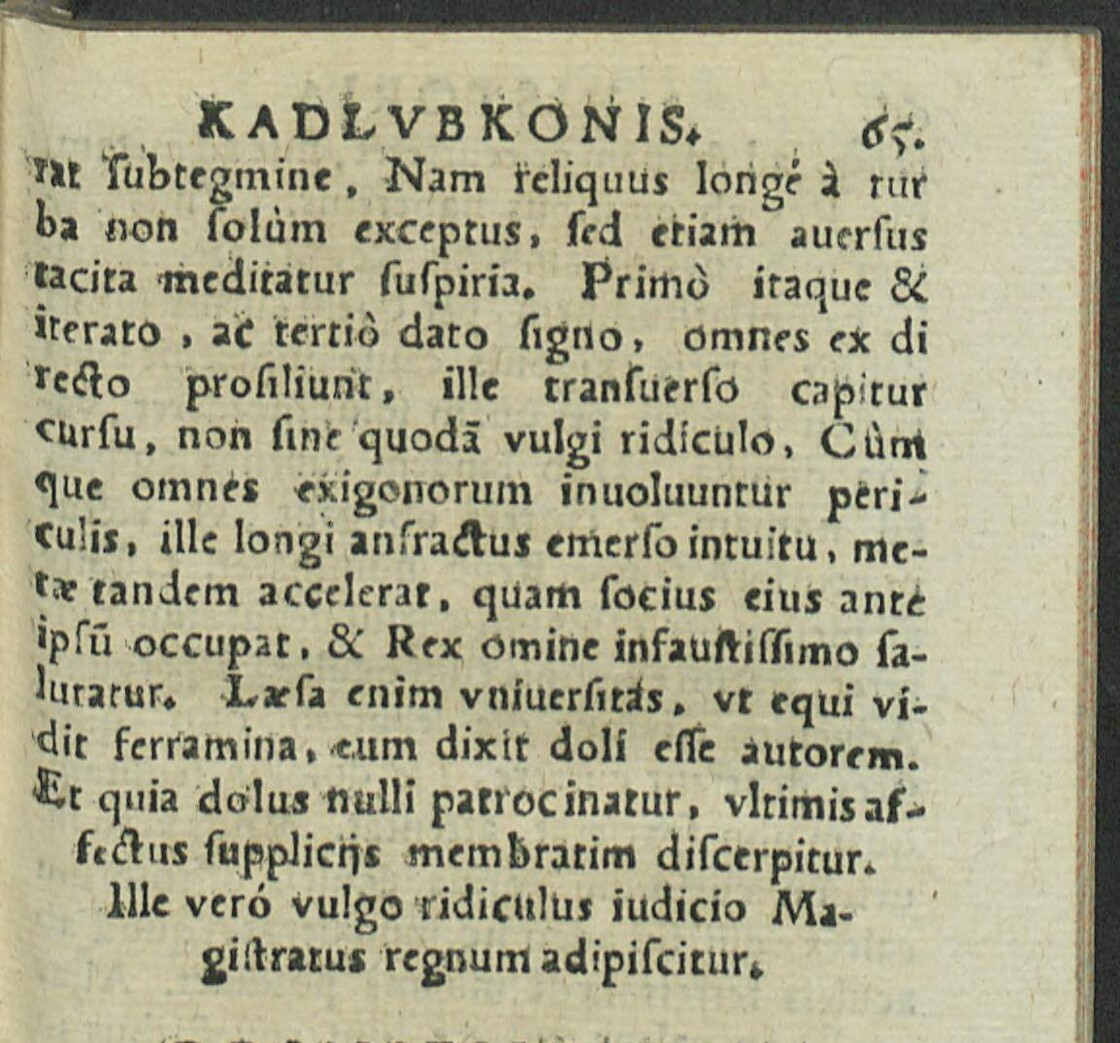
Around the year 1200 a Polish bishop wrote down how his country once chose a king by horse race: whoever’s horse first touched a post at the end of the course would take the throne. One rider cheated. He sowed the course with iron spikes and kept a narrow path clear for himself.
Before the race, two poor young men ran across the course on foot and found the spikes. On race day one of them won on a horse shod with iron, and the crowd took him for the cheat and tore him apart. The other had taken a wide curve around the traps, reached the post second, and was crowned king instead.
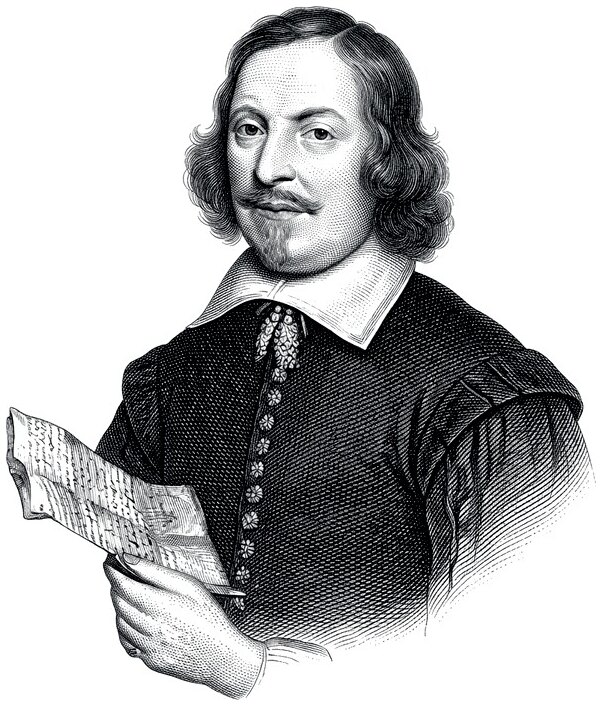
The writer was Wincenty Kadłubek, chronicler and bishop of Kraków. Historians treat the race as legend, but the story turns on a double trick, and behind it sits an older belief that an animal can reveal the will of fate.
How did a horse race decide the throne in Wincenty Kadłubek’s chronicle?
In the story Poland has lost its ruler, every leading noble reaches for the crown, and the quarrel drags on until the country nearly falls into riot.
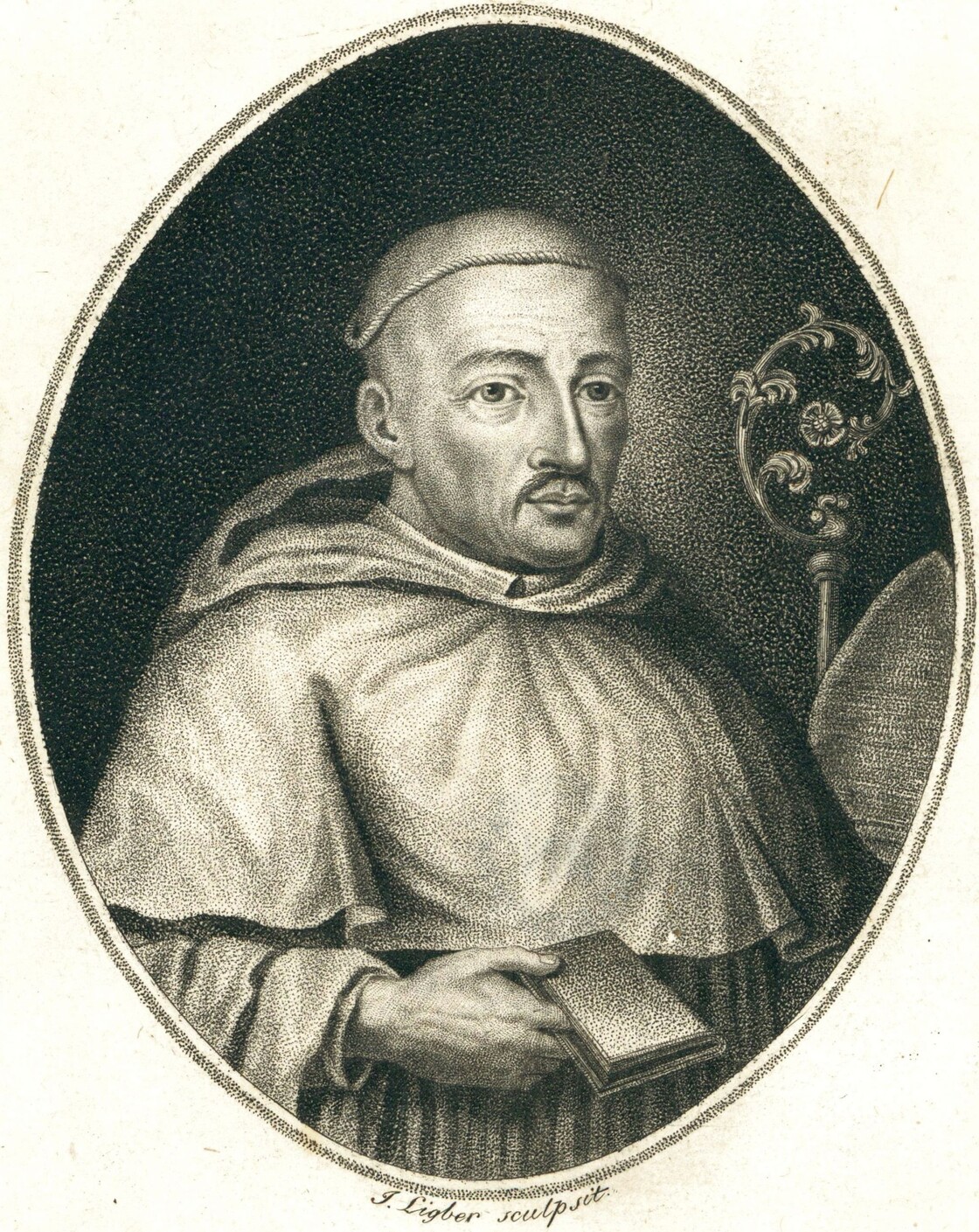
Kadłubek wrote the first books of his chronicle as a dialogue between Archbishop Jan of Gniezno and Bishop Mateusz of Kraków, two churchmen who talk through Poland’s early rulers and draw moral lessons from them as they go.
To avoid civil war, the nobles handed the decision to commoners whose plain honesty put them above suspicion. These arbiters warned that noble pride was trampling the country like wild horses in a vineyard, and they proposed an ordeal: ride to a marker post, and crown the man whose horse touches it first. All parties swore to accept the winner.
What are iron caltrops, and how did they rig the race?
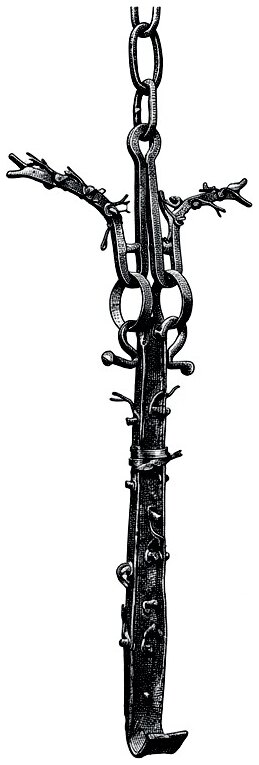
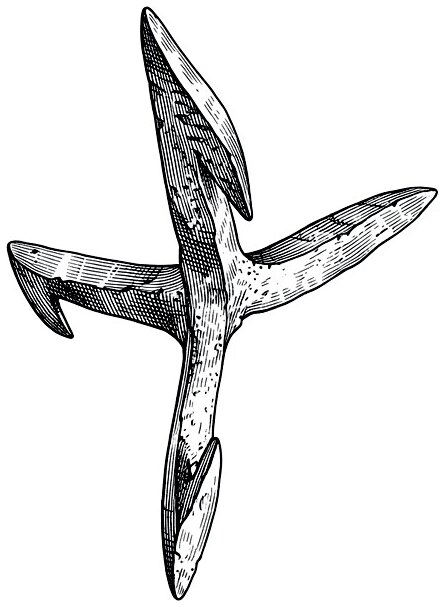
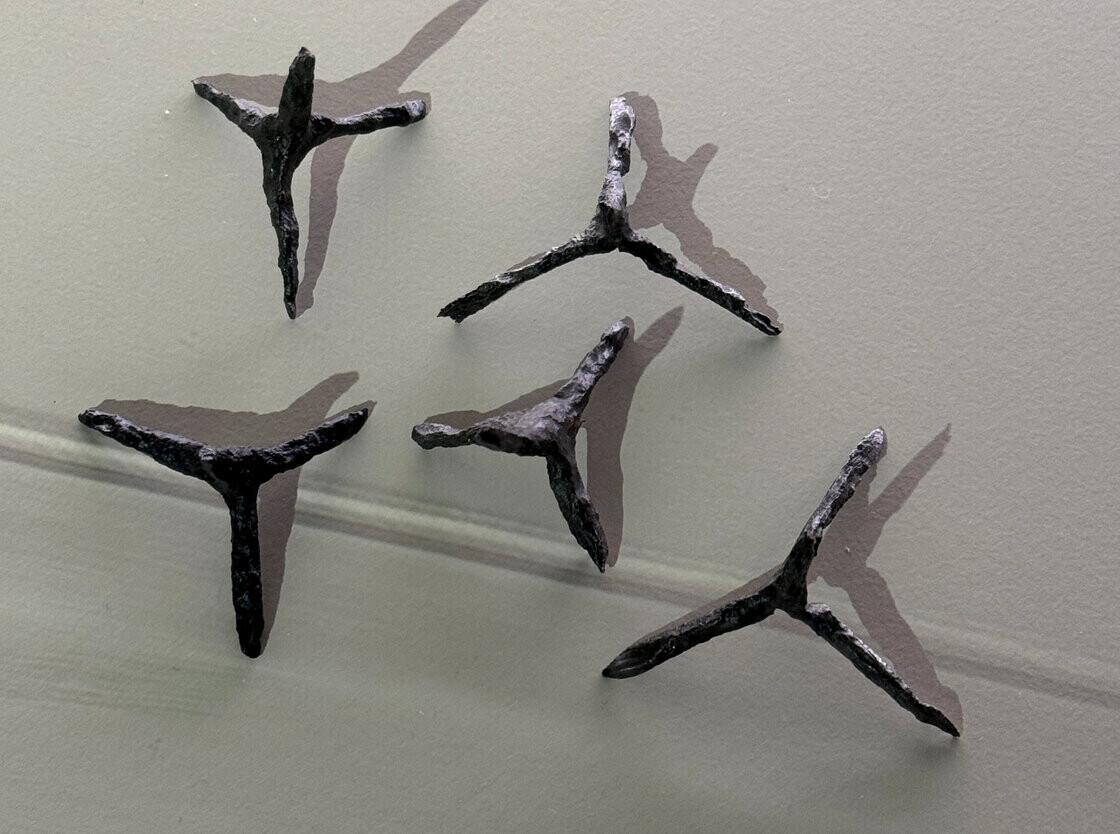
The cheat brought a weapon of war onto a racecourse. Trusting in “the help of Vulcan’s art”, the craft of the smith, he sowed the whole flat of the course with iron spikes and left a narrow path between them, marked with careful signs. The spikes would stop every other horse while he rode the clear path to the post.
In English these spikes are called caltrops. A caltrop is a small iron device with four sharp points, made so that one always sticks straight up when it lands on the ground, and armies scattered them across roads to lame charging horses.
Ancient military manuals describe the same ruse. An Athenian commander once drove spikes into the turf by night before facing enemy cavalry; when the horsemen charged, the spikes crippled their mounts, and his own men marched over them safely in thick shoes.
Who were the two boys in the story?
The two heroes had no rank at all. The chronicle calls them young men “slight in fortune, of the lowest condition”, and they had no part in the race. They were arguing about which of them was the faster runner, and they made a wager: whoever ran slower would have to call the winner “king” for the rest of his life. To settle it, they tried the empty racecourse.
They did not get far. At the first rush they stopped and sat down, the spikes driven through the soles of their feet to the bone. For a long time they stared at the iron points, until they noticed the marked path and understood the plan.
They kept the secret to themselves, and each worked out his own way past the trap. One planned to protect his horse by shoeing its hooves with iron plates. The other decided to run wide around the planted field.
On race day the senate sat in state, and the young men of the country stood around to watch. The master of the trick waited near the front, sure of his path. One of the two lads waited too, every hoof of his horse covered with iron, while the other stood far from the crowd with his back turned, sighing quietly to himself.
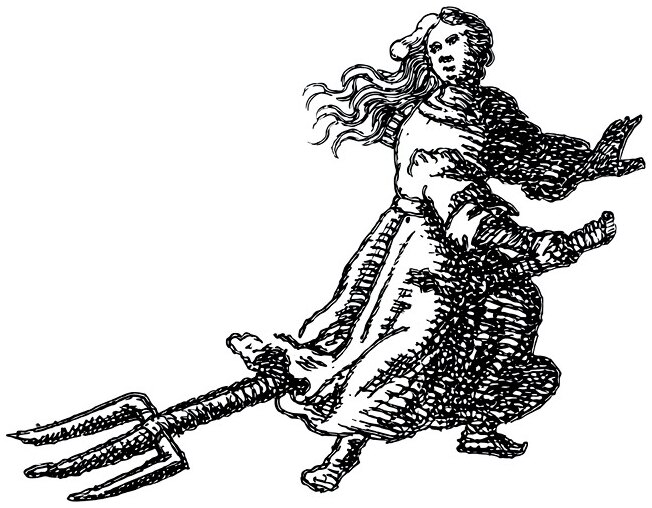
At the third signal the riders surged forward. The second lad veered off and took a wide loop around the course, and the spectators laughed at his clumsy start. Behind him the other horses stumbled into the spikes. The lad on iron shoes reached the post first and was proclaimed king, an omen that soon turned dark.
When the furious riders examined the winner’s horse and saw the iron on its hooves, they took him for the man who had laid the trap and tore him limb from limb. The assembly then gave the crown to the lad who had run the long curve. He took the throne under the name Leszek II, from an old Polish word for crafty. The trickster who forged the spikes drops out of the story without another word.
What did the archbishop in the dialogue say about it?
In the dialogue that follows, Archbishop Jan mocks the ruler whose reign lasted barely an hour. The real victor, he argues, was the runner who took the detour, because it is better to look ridiculous at first and gain power than to act solemnly and perish.
He brings two stories from ancient history. The first is Darius of Persia, as Herodotus told it. Six Persian nobles agreed that the man whose horse neighed first at sunrise would be king, and the night before, Darius’s groom Oibares led his master’s horse to a favourite mare at that very spot.
At dawn the horse ran to the place and neighed. Lightning and thunder came from a clear sky, and the others got down from their horses and bowed. The archbishop sums it up in one line: not without a guffaw, but by a horse’s neighing, Darius won the kingdom.
The second story comes from Tyre, where slaves killed their masters and agreed that whoever first saw the rising sun would be king. One slave had secretly spared his old master and the master’s little son, and the old man told him to look west. Everyone else stared east and laughed at him, and he was the first to see the sunlight strike the highest roof of the city. As with the lad who ran sideways, the crowd laughs at the man who wins.
How does Kadłubek’s account connect to the Roman Equus October?
Using a horse race to settle something sacred has old Mediterranean roots. Rome held such a contest every year on 15 October, the October Horse (October equus). Chariots raced on the Field of Mars, and the right-hand horse of the winning team was sacrificed to Mars.
After the sacrifice, rival factions fought over the severed head to fix it on a public wall, and the tail was rushed to the ancient royal hearth so its blood could drip onto the fire. In these rites speed served as an offering to the gods.
Horse divination was common across early Europe. At the Baltic temple of Arkona, priests led a sacred white horse across spears to foretell victory in war, and in Bohemian legend a horse left to go where it liked led the messengers to the ploughman who was to become duke. Kadłubek’s contest reads like a learned cousin of that tradition, an animal’s run that reveals the rightful ruler.
Is the Lędzianie succession race historical or legendary?
Historians treat the race as legend. Kadłubek set Leszek II in an invented dynasty in which one ruler fights Alexander the Great and another marries the sister of Julius Caesar, and the spike trick goes back to ancient military handbooks, where Greek generals scatter spikes against cavalry.
Most modern historians consider the episode Kadłubek’s own invention, perhaps an old local memory of horse divination dressed in classical rhetoric. No record survives of a real Slavic ruler chosen on a racecourse.
Jan of Dąbrówka, the Kraków professor who explained the chronicle to students in the 1430s, drew the moral in two short Latin clauses. Leszek hid his cunning, and it helped him; his friend showed his in the iron on his horse’s hooves, and it killed him. “Hidden cunning helps,” he wrote. “Known cunning harms.”