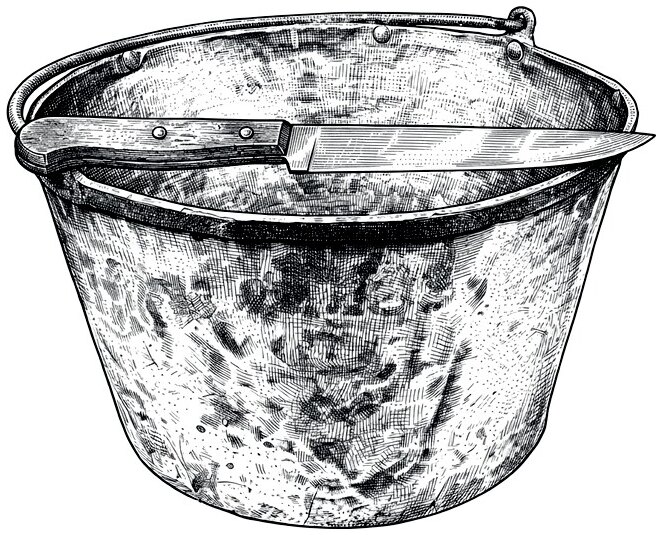
Among the Omaha, a Native nation in Nebraska, a pot of food left standing overnight got a knife laid over it. The knife kept the ghosts from eating out of the pot. Nobody wanted food a ghost had been at, because one must never eat anything a ghost has touched.
The Creek, a people of the American Southeast, kept a close cousin of this rule without the knife. They would not eat cold food that had stood overnight, in case the ghosts had already eaten from it. Both rules kept people away from food left out all night, which modern food safety also warns against.
Omaha and Creek ghost food taboos: what were the rules?
The two rules guard the same stretch of time: the night between cooking and eating.
The Omaha rule comes with its own story. A woman made a stiff mush of corn and beans. It was always prepared overnight, then sliced and eaten cold the next day. So this dish always spent a night in the pot. That night her husband dreamed that a company of strange men came into the lodge, each carrying a dish. They were ghosts, and they sat down and feasted on the mush.
In the morning he told his wife to throw the food away, because the ghosts had meddled with it. The next time she made the dish, he laid a knife over the pot. Again he dreamed of the ghosts coming in with their dishes. This time they found the knife, could not touch the food, and went away disappointed.
Out of the story came a household rule, written down in 1887: “When eatables are left overnight a knife is placed on the pot or dish.”
The Creek rule is just one sentence long. “People would not eat cold food that had been kept overnight for fear the ghosts had partaken of it.”
Cold food on its own was fine. The Omaha mush was always eaten cold. Two neighbours of the Creek, the Natchez and the Cherokee, ate all their food cold because they thought it was better for their teeth. The worry was the night the food spent standing.
What did a knife across the pot mean to the Omaha?
The knife worked as a barrier, because “a ghost would not meddle with a knife.”
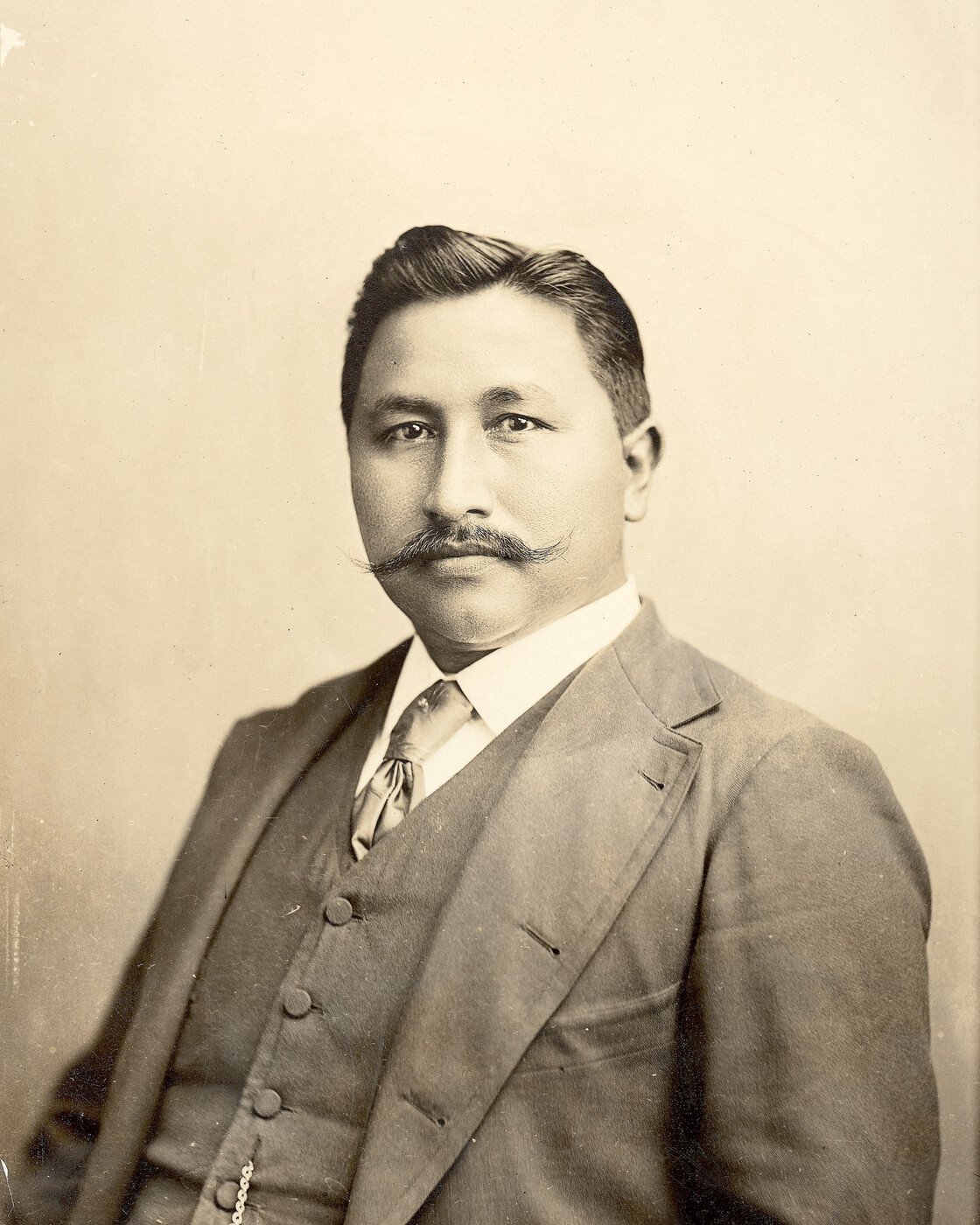
Ghosts bent on mischief, such as tampering with food once it was ready to eat, could be stopped by a knife across the open vessel. Running water was a second barrier. Ghosts would never cross a stream, however small, so a man chased by a ghost ran for the nearest water.
Each summer the Omaha left their villages to hunt buffalo, and food was cooked and kept in camp. Ghosts were part of that camp life. Hunters cut off from their party told of hearing strangers set up an unseen camp nearby.
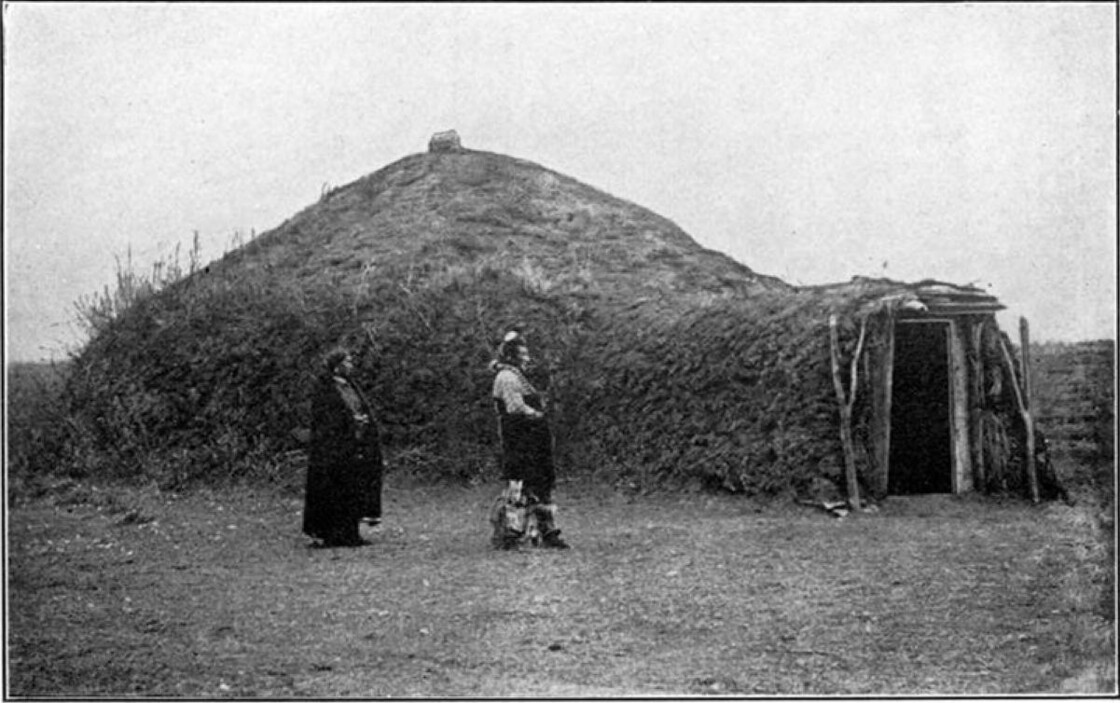
An Omaha ghost showed itself only from the knees down. One man said that “only the feet and the legs as high as the knees could be seen.” He thought that with a little more time alone he would have seen the whole figure.
Why was ghost-touched food dangerous?
To the Omaha, a ghost took the goodness out of food. In tales of a ghost following a wrongdoer, people ate their fill and stayed hungry. “The presence of the ghost took the taste and nourishment out of the food, leaving the people weak.”
Food that belonged to the dead was off limits too. After a burial, food and water stood at the head of the grave for several days for the spirit. A thief who ate from it would be followed by the ghost, his food would lose its taste, and hunger would haunt him ever after. Whoever cooked food for a ceremony, such as one before a war party, poured some of the soup outside the lodge as an offering to the ghosts.
Read together, these rules sort food into the share of the living and the share of the dead. A pot standing open overnight sat somewhere in between.
Why would the Creek not eat cold food kept overnight?
The Creek feared that ghosts had eaten from the food during the night. The rule was still known in 1911 and 1912, when an anthropologist collected it from Creek speakers. The fear of ghosts was still strong then.
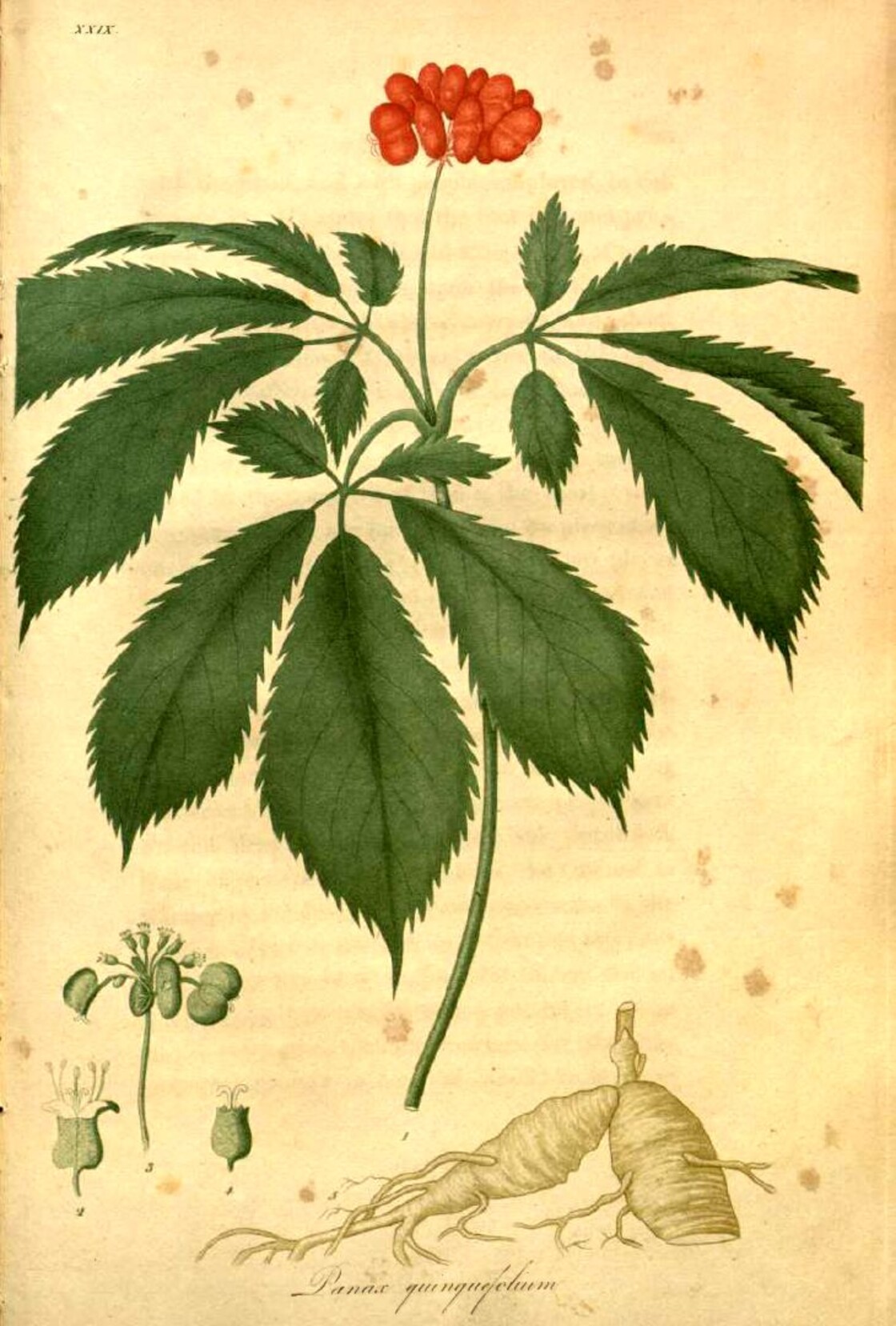
Ghosts also lingered near graves. In older times, a man passing a graveyard put a little ginseng root in his mouth and chewed it. Then he spat it out, first to one side and then the other, four times each way, to drive the ghosts off.
A knife protected the Creek dead as well. A large butcher knife went into the grave, so the soul could fight off a great eagle on its journey.
Did ghosts burn the meat and boil pots dry?
You may have read that Omaha ghosts made pots boil dry and meat burn, and that the Creek reheated all their leftovers. That noisier version comes from a 1975 book for young readers, The Ghosts the Indians Feared.
The older records are plainer. In them, Omaha ghosts eat the food or drain its taste, and Creek people leave the cold food alone.
Was it about ghosts or about food safety?
The old records give one reason, and it is ghosts. None of them mention spoiled food, sickness or animals getting into the pot.
A modern reader will still think of another reason: food poisoning. One common kind comes from a bacterium called Clostridium perfringens. Its outbreaks most often start with meat, poultry or gravy cooked in large batches and kept between 40°F and 140°F (about 4°C to 60°C). In the United States it causes nearly 900,000 illnesses a year. A pot left overnight in a warm room sits in that range. Whether anyone in an Omaha lodge linked a bad night to a bad pot, the records do not say.
In Scotland, people made that link themselves, and they made it with iron. In the northeast of the country in the 1800s, this was the custom when someone died in the house: “A piece of iron, such as a knitting-wire or a nail, was stuck into whatever meal, butter, cheese, flesh, or whisky were in the house, to prevent death from entering them.”
All the milk in the house was poured out on the ground. When people forgot the iron, the food was said to go bad soon after, and whisky had been known “to become white as milk.”