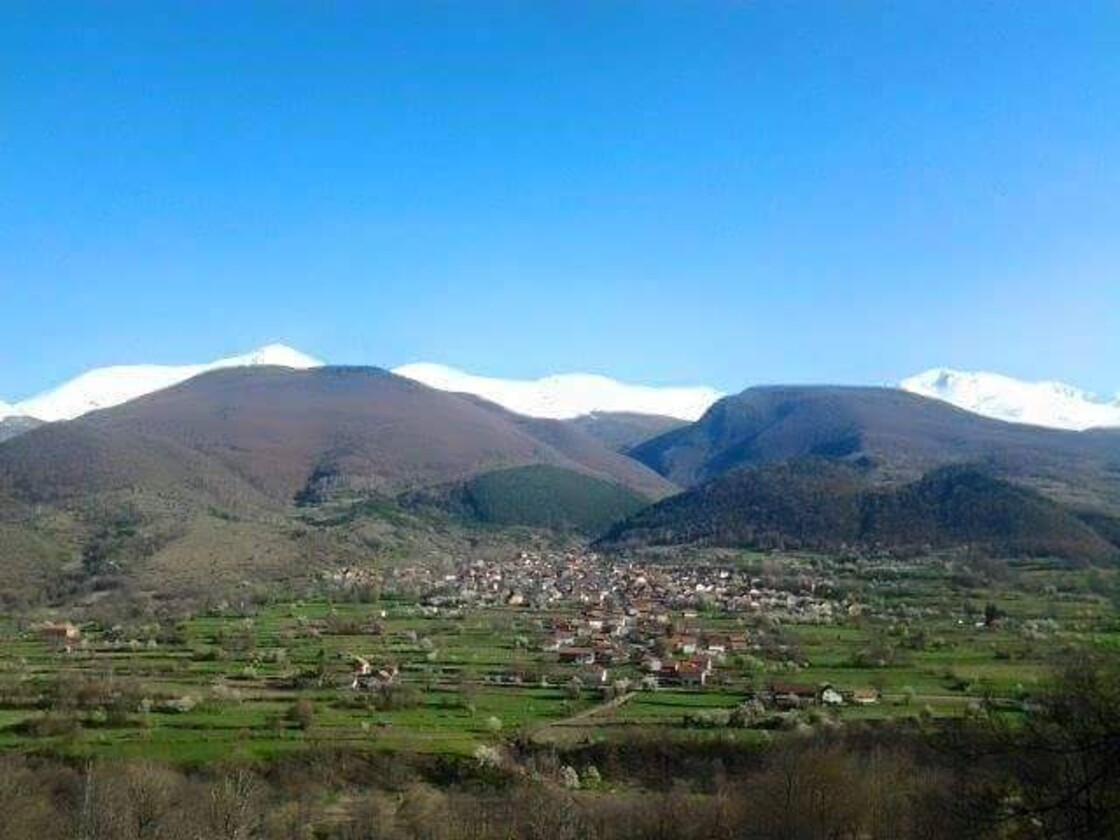
In films the vampire is usually a stranger who comes through the window. The vampire of Serbian village belief was a dead man who left his grave at night, and the old records say he sometimes went home to his own wife. In Gotovuša, a Serbian village in the mountains of southern Kosovo, people tell of a widow whose dead husband came to her every evening for a year, and when the visits stopped she was pregnant. The village called the boy Mile Vampirović, “the vampire’s son”, and according to the storyteller, every generation of his family still knows why.
The widow of Gotovuša: a vampire’s son in Serbian folklore
The story was written down by Marijana Stojković, one of the students of the Faculty of Philosophy in Kosovska Mitrovica who collected folk legends across Kosovo between 2002 and 2020. The folklorist Valentina Pitulić published the record in 2021, in a paper on demon legends from Kosovo, and added that in the Šar Mountain area the legend of children born to a vampire and a woman of this world “still lives”.
The storyteller was Leposava Radić. Two words in the story need a note first. The storyteller calls the student “daughter”, the way an older village woman speaks to a girl. And among the things the villagers burned is luk, the Serbian word for the onion family, which on its own can mean onion or garlic; the story does not say which. This is the story as it was recorded:
“There was a woman, from the Rusimovs, a great-grandmother of that Rusimov man, who bore a child by a vampire. When her husband died, he came to her house every evening, for a year without stopping, just like a man, as if he were alive. And she, poor woman, what could she do, she could not get free of him at all, so the villagers decided to help her. They took some thorns, of hawthorn, and luk, and all kinds of herbs, and they burned them all around the house in the evening when the vampire was due to come. From that night, exactly when the year had passed, he came no more. But, daughter, what was to be, was: she was left pregnant by him. Nobody in the village could understand it, but there, that is how it was, and she bore that child. She bore it, and everyone in the village called him Mile Vampirović, because it was known that his father was a vampire. That was known about him, and every generation of his and all the villagers know that it is true. That is how it was back then, all sorts of things there were.”
The opening of the story takes for granted that the listener knows the village. “That Rusimov man” is never introduced, so Rusimov seems to be the name of a family in Gotovuša, and the widow was the great-grandmother of one of its men. Pitulić does not explain the name, and the record leaves open whether this family descends from Mile.
What does the name Vampirović mean?
Many Serbian surnames end in -ović, an ending that means “son of”, so Petrović is the son of Petar. The village built Vampirović the same way, and the name says “the vampire’s son”.
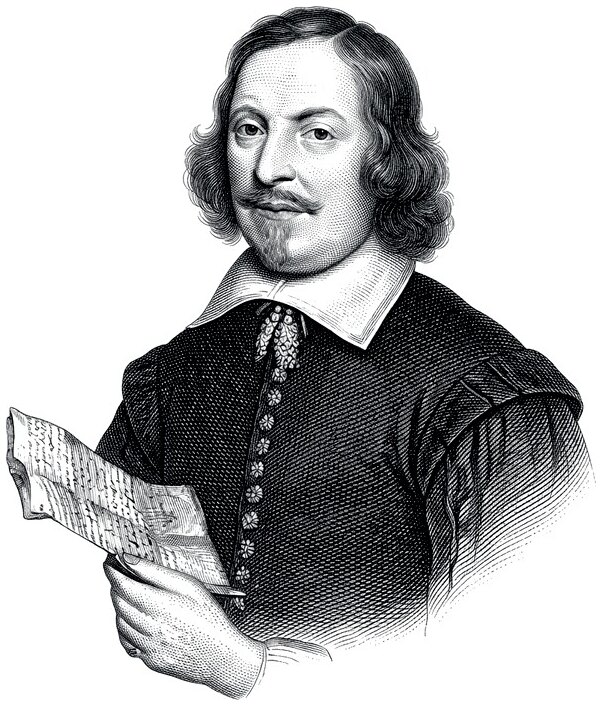
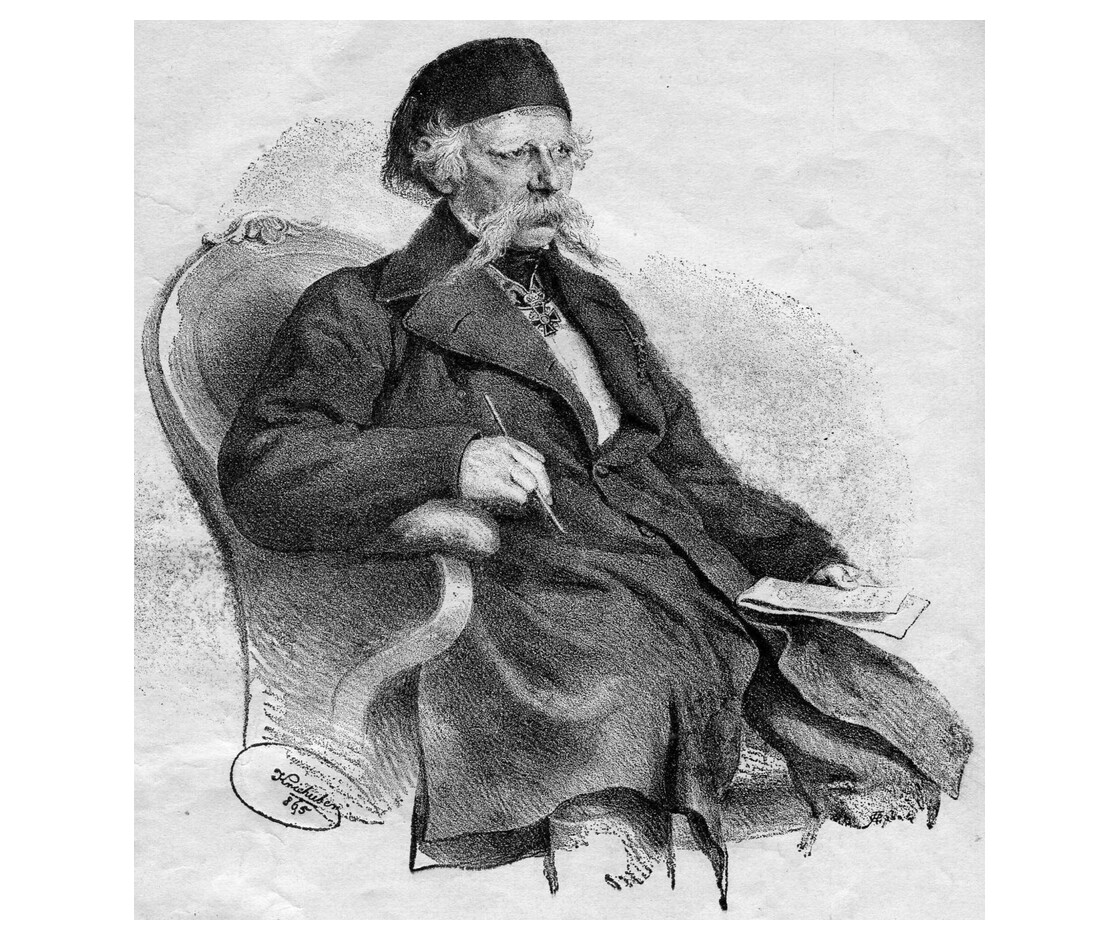
The belief behind the name is much older than the story. Vuk Karadžić, who collected Serbian songs and customs in the 19th century, described the walking dead man in a book printed in Vienna in 1867. He calls him vukodlak, another Serbian name for the vampire: a man whom a devilish spirit enters forty days after his death and brings back to life. Then Vuk adds: “The vukodlak sometimes comes to his own wife (especially if she is beautiful and young) and sleeps with her, and they say that the child born with a vukodlak has no bones.”
Almost a century later, in 1953, the ethnologist Tihomir Đorđević gathered the records of this belief from many regions. On the Montenegrin coast the wife could become pregnant by the vampire, and about the child, Đorđević found, “people tell very different things”. In some places the woman bore no child at all, only “a great lump of blood”. In the town of Žepče in Bosnia the child came out “without bones, like a skin bag filled with blood”, and in the village of Slepče, near Kruševac in central Serbia, it had no shadow.
In Otok, a village in Slavonia, people told of a woman who bore a child to her vampire husband. When the child was brought to be baptised, the priest put salt in the baby’s mouth and cut his own finger on something inside. He opened the mouth to see what had cut him and saw teeth, “big, red and pointed”.
The Gotovuša story mentions no sign on Mile’s body, only the name the village gave him because of his father.
Why did the villagers burn hawthorn around the house?
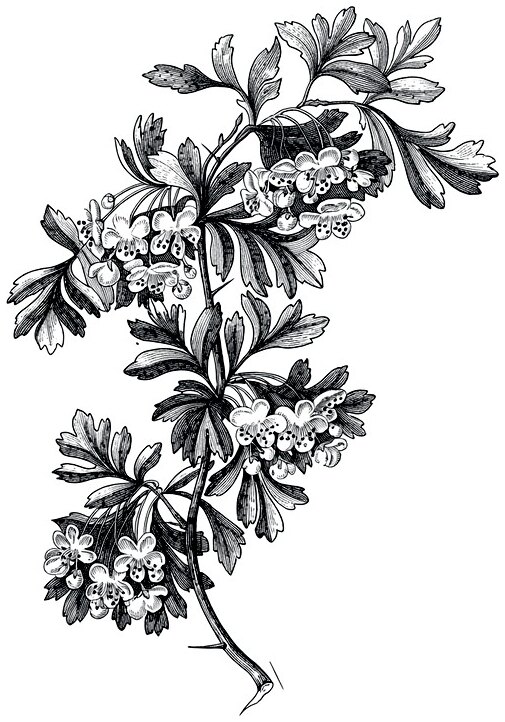
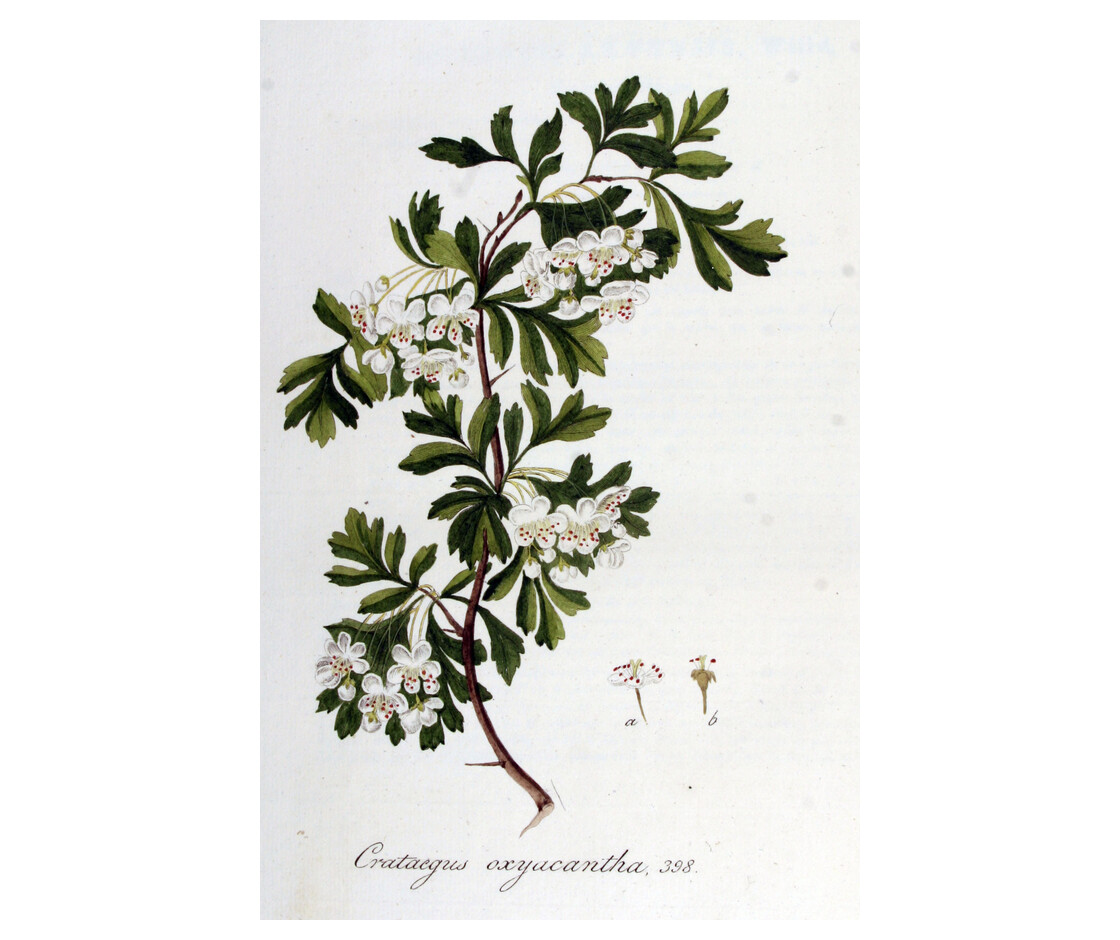
In Serbian belief the vampire feared hawthorn above everything else. Vuk Karadžić writes that when villagers decided to dig up a man they took for a vampire, they all gathered “with hawthorn stakes, because he fears only the hawthorn stake”. He also records the saying “madder and hawthorn thorn on his road”; madder is a plant with a red root that was used for dyeing.
Pitulić notes that in this part of Kosovo the usual defence against a vampire was made of the same things the villagers burned in the story, thorns, hawthorn, luk or herbs, and that people also cursed the dead man. Garlic, one meaning of luk, also served against witches: Vuk recorded that witches do not eat garlic, and that people rubbed themselves with it at Shrovetide, the last days before the Easter fast.
What finally stopped the dead man, the story leaves open. The fire was lit, and “from that night, exactly when the year had passed, he came no more.” The storyteller puts the smoke of the thorns and the end of the year side by side and never says which of the two it was.
Did a vampire’s son hunt vampires?
In many Balkan records he did. Near Leskovac in southern Serbia, Đorđević records, the vampirović, the child a woman bore with a vampire, “sees the vampire, talks with him and can kill him”. The Leskovac case of one such son, Asan Gušlja, is told in the article The Vampire Files: Real Cases from Five Centuries of Records. In Slepče the child was called “the vampire’s son”, and only he could recognise and kill the vampire. In Prizren, a town in southern Kosovo, the vampire was called grobnik, from grob, “grave”, and only a grobnik’s own child could kill him.
To Đorđević this was the most important thing about such children, that they “can recognise, chase and kill vampires”, but the Gotovuša story gives Mile no such power.
Families that kept the name
In other places the name passed to whole families. Đorđević quotes a report from Levač and Temnić, two districts in central Serbia, where “the children of a man who became a vampire, born while he was still alive, are very often surnamed Vampirovići”. So there the children took the name even though they had been conceived by a living father.
An earlier account of such families comes from Prilep, a town in what is now North Macedonia. Johann Georg von Hahn described it in Albanesische Studien (Albanian Studies), a book he published in Jena in 1854: “In Perlepe [Prilep] there are said to live several families who are called Wampiri [vampires]. They count as descendants of such Wurwolak and are shunned by all the world.” Wurwolak is Hahn’s spelling of the local word for the walking dead. According to Hahn, the same families knew the art of bringing a roaming vampire back to rest, kept it secret, and were sent for from other towns.
Hahn’s note of 1854 also describes the Tosks, the Albanians of the south. Among them, he writes, a dead man who walks again “sleeps even with the wife he left behind”.
Was the father really dead?
Đorđević also wrote down a plainer explanation, and he did not hide his own view of it. He called it “a frequent and very great abuse” born from the fear of vampires: a man would declare himself a vampire and come at night to his own wife, or to the widow of a man who had recently died, as if she were his own. Sometimes it went so far, Đorđević writes, “that some women even bear children with vampires. In reality the vampire’s wife receives in the vampire’s place someone else with whom she has an agreement”, and the frightened people dared do nothing against it.
One of his cases comes from Slivlje, a village in Herzegovina, the southern part of today’s Bosnia and Herzegovina. A man died and left a young wife, and she became pregnant by a man in the village. When the pregnancy showed, she said that her dead husband was coming to her at night as a vukodlak. The village sent for the priest, who was to chase the vukodlak away and stab it. The priest came, took the woman to confession, and in front of all the people she admitted that she had sinned with another man.
In the Gotovuša story nobody names another man. The villagers “could not understand it” and kept to the account of the dead husband, and Pitulić published the record as a living legend without passing judgment on the woman. Other legends from Kosovo are told in The Devil’s Wedding at Gotovuša, from the same village, and in The Opanak of Dead Stanoje, where a dead man’s leather peasant shoe turns up in front of his house soon after his burial.
“All sorts of things there were”
The storyteller speaks of Mile’s descendants in the present tense: every generation of his “knows that it is true”. Whether the village ever shunned them, as Prilep shunned its Wampiri, and whether Vampirović was a nickname or a surname on paper, the record does not say. Leposava Radić closed the story with the line “Ete tako tad svešto imalo”: that is how it was back then, all sorts of things there were.