And Every Day.
The Almanac
The feasts, festivals and old observances of each day of the year, from many calendars.
No feast is entered for to-day.
The Week Ahead
XXVII 27 Nov.
XXVIII 28 Nov.
- Rune: Isa beginsNorse & Germanic
XXIX 29 Nov.
- St. Andrew's EveChristian Esoteric
XXX 30 Nov.
- Sveti AndrejaEastern Orthodox
I 1 Dec.
- Death of Aleister CrowleyHistorical Occult
- Birth of Franz BardonHistorical Occult
- Crowley's Greater FeastHermetic & Alchemical
- Shalako CeremonyNative American Ceremonial
II 2 Dec.
- Tozoztontli BeginsMesoamerican
III 3 Dec.
- Ganden NgamchoBuddhist & Tibetan
- Bona DeaRoman & Greek Festival
Days Written Out
Each night one day of the Almanac is written out in full, with its sources.
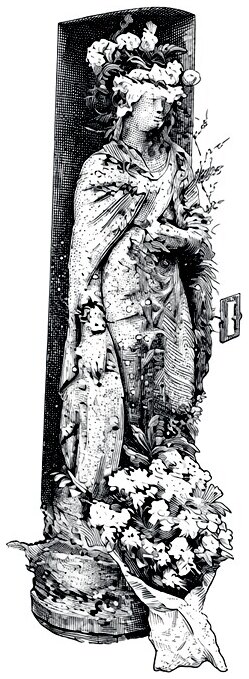 25 Nov. · Christian & Esoteric
St. Catherine's Day
On 25 November women kept a feast of their own: in Paris the young seamstresses crowned a statue of St. Catherine and wore yellow and green hats, in the English lace villages the lacemakers held their 'Cattern' tea when the season of work by candlelight began, and in Estonia women dressed in white went from farm to farm asking for wool and flax.
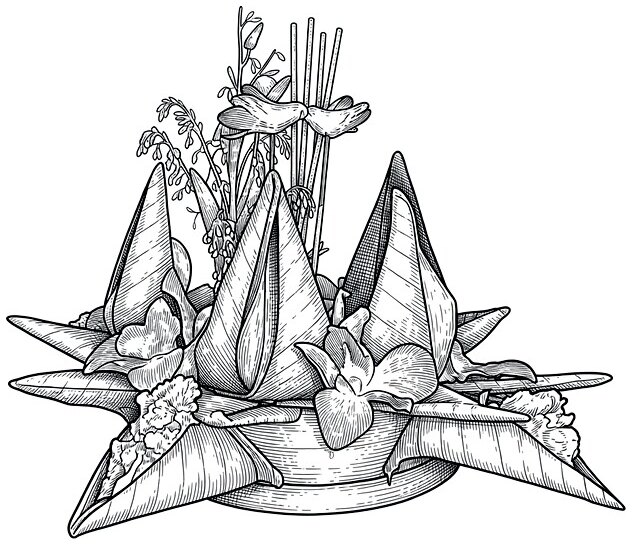 24 Nov. · Southeast Asian
Loy Krathong
Tonight Thailand sets banana-leaf floats with candles on its rivers, and the official story says a lady of the Sukhothai court invented them.
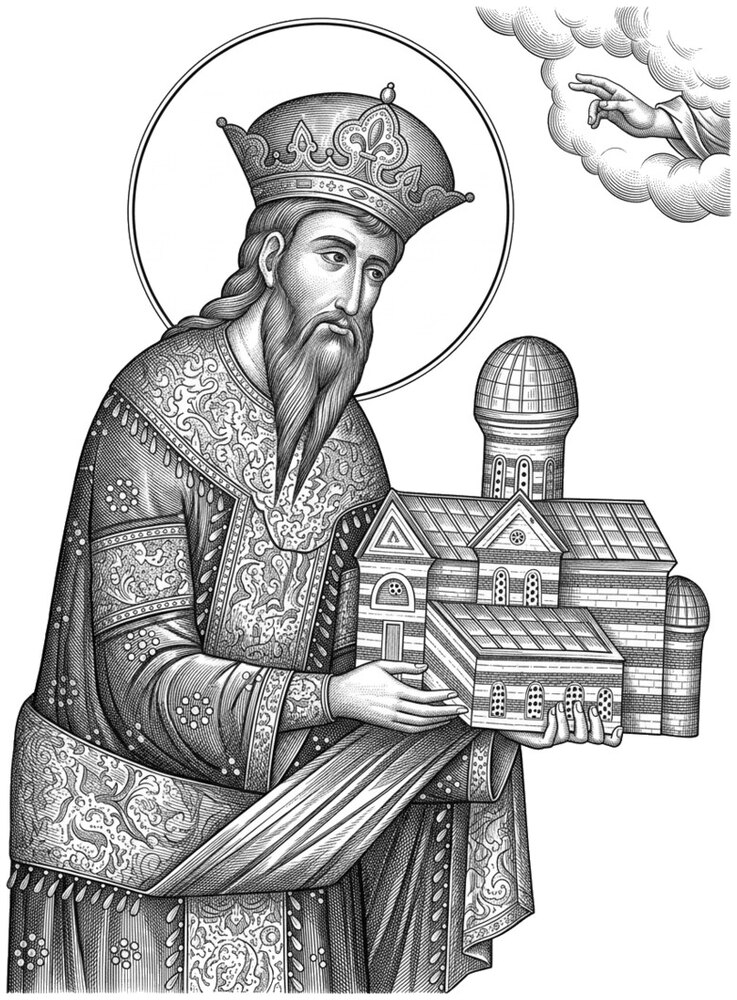 24 Nov. · Eastern Orthodox
Mratindan
24 November is Mratindan, the Serbian feast of the martyr-king Stefan Dečanski.
 23 Nov. · Japanese & Shinto
Niinamesai
On the night of 23 November the Emperor of Japan offers the new rice to the gods and then eats it himself, twice in one night, in a palace hall where a bed is laid for a god.
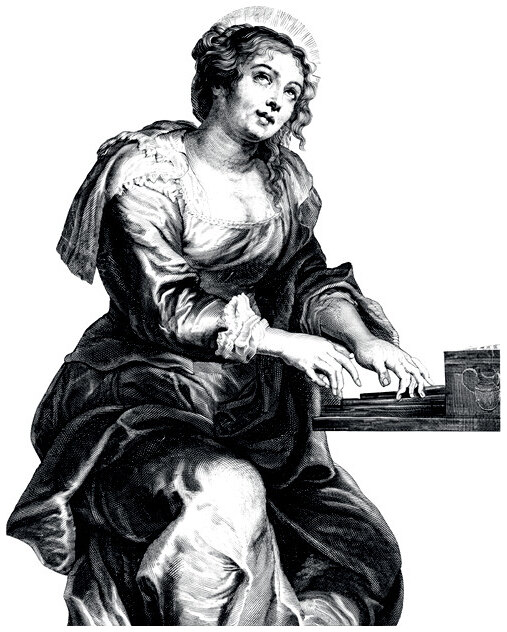 22 Nov. · Christian & Esoteric
St. Cecilia's Day
For more than four hundred years musicians have kept 22 November, the feast of the Roman martyr Cecilia, with new music: a composers' prize at Évreux in Normandy that Lassus won, London's yearly odes by Purcell and Dryden, Handel's setting of 1739, and a London service held every year since 1946.
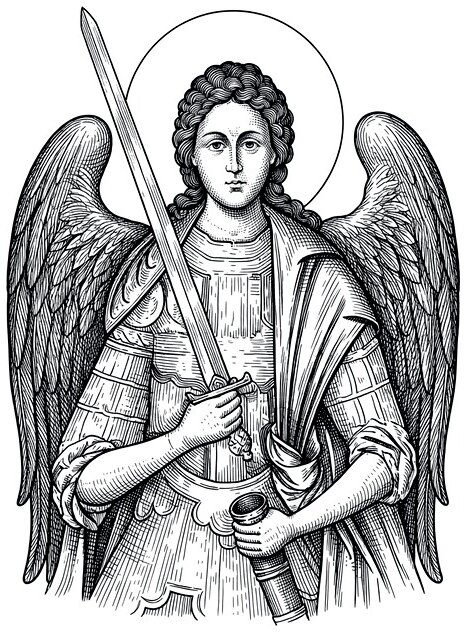 21 Nov. · Eastern Orthodox
Aranđelovdan
21 November is Aranđelovdan, the day of the Archangel Michael and one of the most common family feasts in Serbia.
The Calendars
The Roman religious year
Rome ran on its gods. The Roman calendar was studded with feriae, official holy days, on which public business stopped and the state honoured its deities with sacrifice and games. Whole months carried the names of gods, and the priests, the pontifices, guarded the calendar itself as sacred knowledge.
The festivals were practical before they were anything else, fixed to the farming year and the life of the city: the Liberalia in March when boys came of age and put on the man’s toga, the Lupercalia that purified the city in February, the Saturnalia that turned the social order upside down at midwinter. Each had its own rite and its own god.
What this calendar holds
The entries gather the festivals of the Roman state religion across the year, from the gates of January sacred to Janus to the midwinter licence of Saturn. This was the religious machinery of an empire, a calendar in which honouring the gods on the right day was a civic duty as much as an act of faith.
Questions from Readers
1. What was the Roman religious calendar?
2. What is Liberalia?
3. What was the Saturnalia?
4. How many festivals did Rome have?